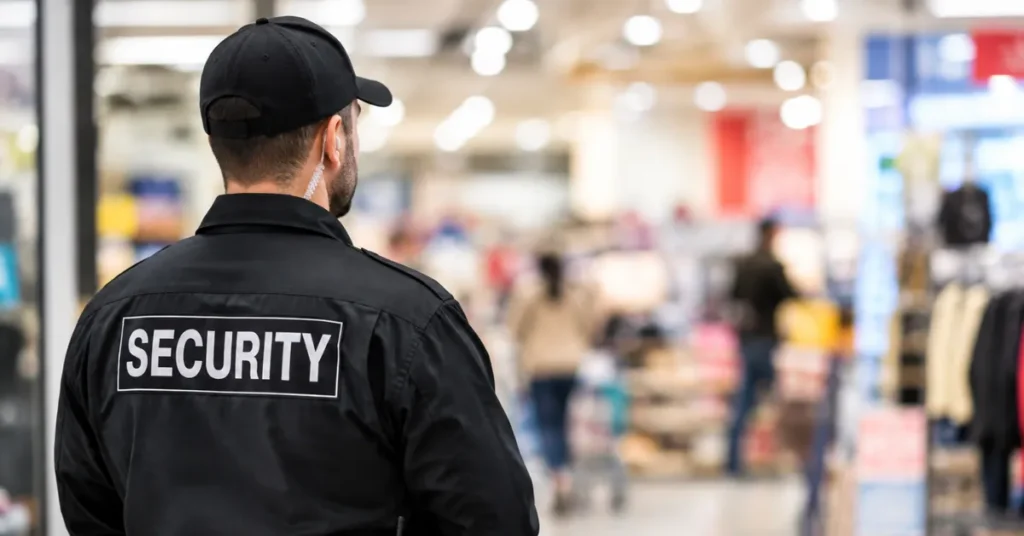
Walking into a store, you’ve probably noticed someone in uniform keeping a watchful eye on the entrance or walking through the aisles. These professionals provide much more than just a visible presence. Businesses rely on retail armed security guard services to protect their assets, prevent theft, and create a safe shopping environment for customers and employees alike. Understanding what these guards do daily helps business owners make informed decisions about protecting their stores.
Core Responsibilities of Store Security Personnel
A retail security guard performs multiple tasks throughout their shift to maintain safety and order. Their primary goal is preventing loss while ensuring everyone feels protected during their shopping experience.
Store protection professionals monitor entrances and exits, checking for suspicious behavior and unauthorized access. They watch surveillance cameras, conduct routine patrols, and respond quickly to any incidents that might occur. Beyond theft prevention, these guards also handle customer service questions, provide directions, and assist with emergency situations like medical issues or fires.
Documentation is another critical aspect of the job. Guards write detailed reports about incidents, suspicious activities, and safety concerns. This paperwork helps store management identify patterns and improve security measures over time.
Loss Prevention and Theft Deterrence
One of the most valuable contributions a retail security guard makes is reducing shrinkage and preventing shoplifting. Their presence alone discourages potential thieves from attempting to steal merchandise.
Guards trained in loss prevention techniques know how to spot common shoplifting behaviors without profiling or harassing innocent customers. They understand body language, recognize distraction tactics, and can identify organized retail crime groups that target multiple locations.
When theft does occur, security personnel follow proper protocols for apprehension and detention. They know local laws about citizen’s arrest and work closely with law enforcement to ensure suspects are handled appropriately. Professional guards never use excessive force and always prioritize everyone’s safety during confrontations.

Monitoring High Risk Areas
Certain sections of retail stores attract more theft than others. Electronics, jewelry, cosmetics, and small high value items require extra attention. A skilled retail security guard knows which areas need increased surveillance and adjusts patrol routes accordingly. They also watch fitting rooms, back entrances, and loading docks where internal theft might occur.
Customer Service and Assistance
Modern store security goes far beyond catching shoplifters. Guards serve as ambassadors for the business, greeting customers warmly and answering questions about store layouts and products.
They help elderly shoppers reach their vehicles safely, assist parents with strollers, and provide directions to specific departments. This friendly approach makes customers feel welcome while maintaining a secure environment.
During busy shopping seasons, security personnel help manage crowds, organize lines, and prevent overcrowding that could create safety hazards. They ensure fire exits remain clear and accessible at all times.

Emergency Response and Crisis Management
When emergencies happen, a retail security guard becomes the first responder. They’re trained to handle various crisis situations calmly and effectively.
Medical emergencies require quick thinking and proper action. Guards certified in CPR and first aid can provide immediate assistance while waiting for paramedics. They clear the area, direct traffic, and ensure emergency vehicles can access the scene quickly.
Fire emergencies demand swift evacuation procedures. Security staff guide customers to safe exits, account for employees, and communicate with fire departments. They also know how to use fire extinguishers for small contained fires.
During severe weather or natural disasters, guards help implement emergency protocols, secure the building, and protect people inside until conditions improve.
Access Control and Surveillance
Controlling who enters and exits the premises is fundamental to retail security. Guards check identification for restricted areas, monitor employee entrances, and prevent unauthorized access to stockrooms and offices.
A retail security guard uses surveillance systems to watch multiple areas simultaneously. They review footage when investigating incidents and identify potential security vulnerabilities. Modern guards must be comfortable with technology, including alarm systems, access control software, and communication devices.
After hours, security personnel conduct thorough building checks, ensuring all doors and windows are locked, alarms are activated, and the property is secure before leaving.

Frequently Asked Questions
What qualifications does a retail security guard need?
Most positions require a high school diploma, state security license, and clean background check. Additional certifications in first aid, CPR, and defensive tactics are valuable. Good communication skills and the ability to remain calm under pressure are essential.
How do security guards handle aggressive customers?
Trained guards use de-escalation techniques to calm situations verbally before they become physical. They maintain professional composure, listen actively, and involve management or law enforcement when necessary to resolve conflicts safely.
Can retail security personnel make arrests?
Guards have the same citizen’s arrest powers as any individual but must follow strict legal guidelines. They can detain suspected shoplifters until police arrive but cannot conduct searches or use excessive force during apprehension.
What’s the difference between uniformed and plainclothes guards?
Uniformed guards provide visible deterrence and customer service, while plainclothes officers blend in with shoppers to catch thieves in action. Many stores use both approaches for comprehensive protection.
How many guards does a typical retail store need?
Store size, location, crime rates, and inventory value determine staffing needs. Small shops might need one guard during peak hours, while large department stores require multiple personnel covering different zones throughout operating hours.
Conclusion
The role of a retail security guard extends far beyond simply watching for shoplifters. These professionals protect inventory, ensure customer safety, respond to emergencies, and provide valuable customer service. Their presence creates a secure shopping environment that benefits businesses and customers alike. Whether preventing theft, managing crowds, or handling crisis situations, trained security personnel are essential assets for successful retail operations.
Protecting your business requires experienced professionals who understand the unique challenges of retail environments. Contact Gold Star Security USA for reliable security solutions that keep your store safe, reduce losses, and create a welcoming atmosphere for your customers. Get a free consultation today and discover how professional security services can transform your business safety.